
Reduce wasted energy.
Find heating, cooling and lighting running beyond required hours. Commission better schedules around how your space operates.
Building management for measurable savings.
LOCAL CONTROL · MEASURABLE SAVINGSEEP BMS connects climate, lighting and energy monitoring to help reduce unnecessary consumption. Align equipment schedules with how your space operates, keep comfort under control and verify the savings against an agreed baseline.
Start with your equipment. Measure before expanding.
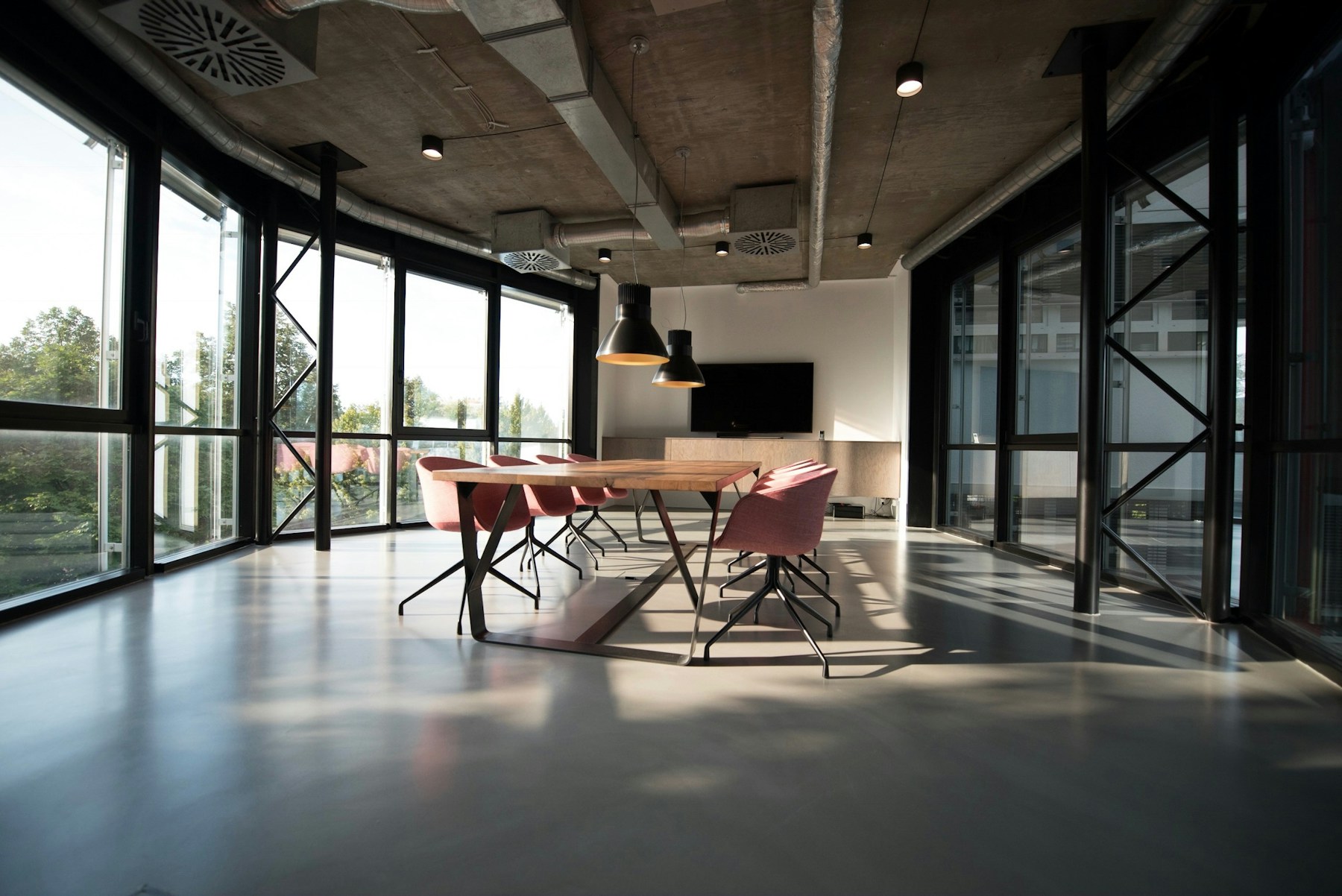
Energy used where it matters.
Find heating, cooling and lighting running beyond required hours. Commission better schedules around how your space operates.
Bring schedules, alerts and authorised adjustments into one workflow. Reduce repetitive checks and changes across separate systems.
Agree a measured baseline, implement improvements and compare energy use under comparable operating conditions.
From energy waste to action
Connect measurements, operating schedules and follow-up so each improvement has a clear reason and a measurable result.
Sample office · occupied hours
TEMPERATURE
22.4 °C
Within agreed range
HUMIDITY
46 %
Workspace sensor
CO₂
640 ppm
Ventilation context
Connect equipment. Find savings opportunities.
Assess the systems that use energy and the connections needed to measure consumption and improve their operation.
Assess fan coils, thermostats and ventilation. Align supported schedules and settings with required operating hours and comfort conditions.
Connect compatible drivers or circuits. Align lighting with required hours and reduce unnecessary operation.
Measure consumption and establish a reliable baseline. Compare improvements on the same basis.
Bring supported network, UPS and room equipment status into your operational picture.
Each connection is engineered for the installed model and available interface. Passive assets stay linked to the systems they serve. Life-safety controls remain with their approved systems.
Fits your starting point
Two installation paths to assess energy-saving improvements around the equipment you have.
Assess compatible interfaces and connect available observations and controls. Identify savings opportunities before considering equipment replacement.
Commission a local supervisory service with the controllers, gateways and meters needed for your selected equipment and savings pilot.
Close to the equipment. Connected to your team. Commissioned schedules and essential local control are designed to continue during internet outages. Manual overrides and recovery are tested as part of delivery.
Connected operations
Connect EEP BMS findings to the operational workspace in Aleph Facility Manager.
Bring equipment observations together with asset records, maintenance workflows, documents and the 3D digital twin. Give your team the context to investigate waste, plan improvements and follow up on results.
Explore Aleph Facility Manager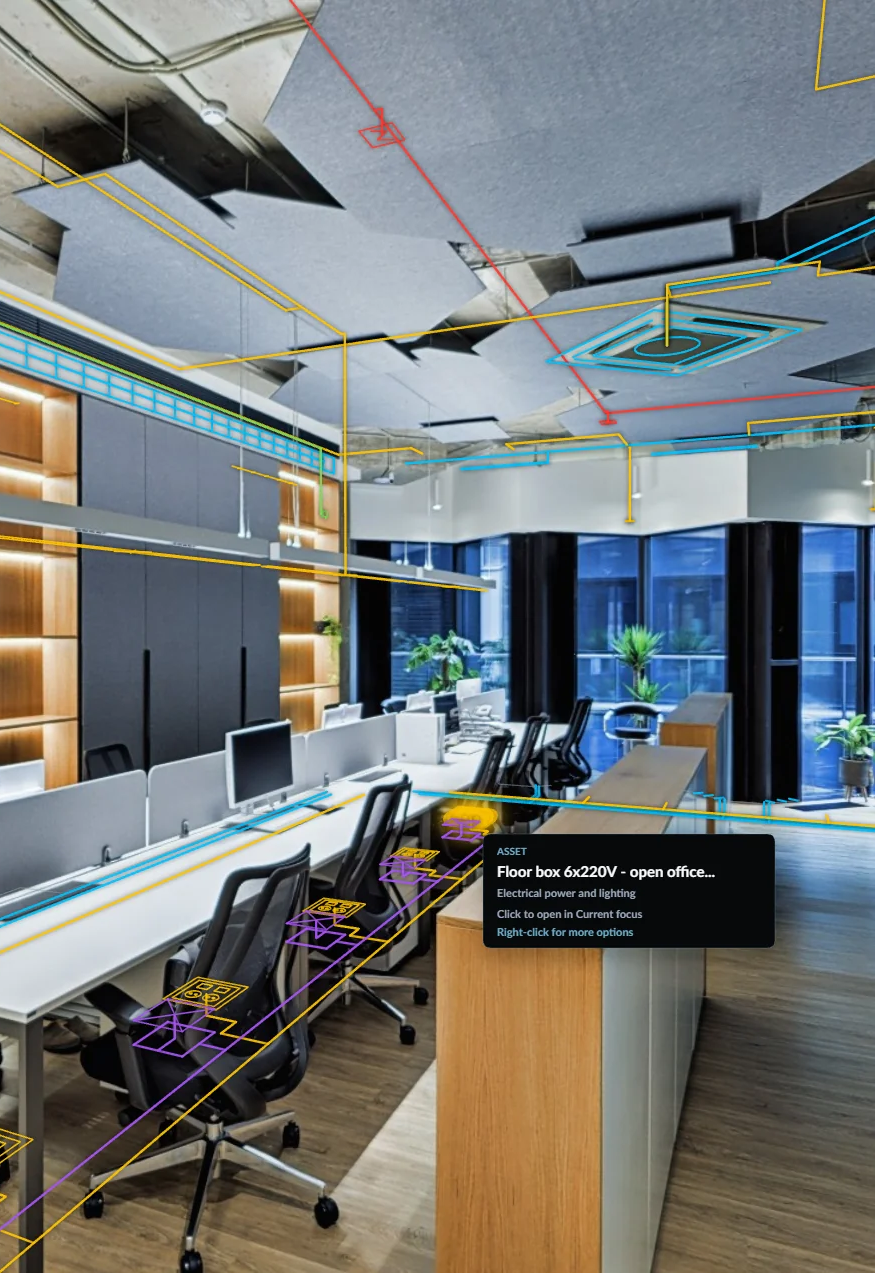

Aleph Assistant, through its embedded Intelligence widget, helps your team investigate unnecessary energy use, understand equipment evidence and prepare authorised improvements.
Bring your first questionIts schedule continues beyond the planned office hours. Review the room’s presence evidence and operating requirements before changing it.
Engineered. Installed. Supported.
A focused savings pilot, from assessing the equipment to commissioning improvements and verifying results.
Review equipment, interfaces, operating hours and meter coverage. Define the pilot scope, installation needs and how savings will be assessed.
Install the local service and connect selected systems. Record energy use, operating hours and comfort conditions before assessing improvements.
Commission agreed schedules and controls. Test overrides, readback and outages. Compare measured energy use against the agreed baseline before expanding.
Choose a focused savings opportunity. Agree the baseline and success criteria. Expand with measured results.
Your starting point
Prepare a brief to assess avoidable energy use, agree a measurement baseline and test targeted improvements. No complete equipment list needed to begin.
Download it and share it with your project contact.
A few useful answers
We begin with what is installed. Compatible equipment can connect directly or through controllers and gateways. The connection plan identifies any sensors, meters or replacements required for your chosen functions.
No. A deployment can focus on office premises, a floor or a defined group of spaces. The pilot starts with a clear equipment scope and access boundary.
The local service is designed to retain commissioned schedules and essential local control. Remote access and Assistant features depend on connectivity. We test interruption, recovery and manual operation for the specific installation.
We agree the measurement boundary, baseline and comparison method before assessing changes. Results account for operating hours and relevant conditions. Verified energy savings can be valued using applicable tariffs; investment payback also accounts for installation and ongoing service costs. Commissioned controls are tested with operating limits, manual override and independent readback.
A defined equipment scope, interface findings, a connection and hardware plan, a focused savings pilot, installation responsibilities and an agreed method for measuring results.